Product Design Services for B2B SaaS: What Smart Teams Really Need

See how product design services elevate B2B SaaS products through UX research, scalable systems, and continuous improvements that boost adoption, retention, and growth.
See how product design services elevate B2B SaaS products through UX research, scalable systems, and continuous improvements that boost adoption, retention, and growth.

Giustino Borzacchiello
Giustino BorzacchielloDec 15, 2025

Table of Contents

Title

Title

Title

Product design services have become essential for B2B SaaS teams that operate in fast-moving, high-pressure environments. As products scale, the real challenge isn’t adding new features, but making sure people can actually use them the way they’re meant to. That’s where a structured design approach makes a difference: it clarifies how users navigate the product, highlights where friction slows them down, and shapes interfaces that feel coherent even as the platform grows.

Done well, digital product design goes far beyond visual decisions. It blends research, systematic thinking, and ongoing iteration to help teams keep their product aligned with customer needs, market expectations, and internal goals.

If you're exploring how design can strengthen your B2B SaaS product, this overview will help you understand what modern product design services really include and why they matter for long-term product quality and growth.

H2: Why Product Design Services Matter for Growing SaaS Companies

As B2B SaaS companies scale, the product becomes the engine that keeps growth moving. Features multiply, customer needs shift, and expectations rise with every release.

In this environment, product design services give teams the structure and clarity needed to guide evolution without losing cohesion. Instead of reacting to issues as they surface, SaaS teams can rely on a design process that anticipates friction and anchors improvements in real user needs.

UX product design services also help translate complex business logic into experiences that feel natural. This is especially true in B2B SaaS, where workflows can be dense and adoption depends on how easily a product fits into someone’s routine. When the experience is shaped with intention, value becomes clear faster, onboarding flows more smoothly, and support teams spend less time handling preventable usability problems.

A major reason these services matter is the consistency they introduce. As new features ship at speed, keeping interfaces aligned becomes harder. A structured design approach establishes shared principles and patterns that keep the product familiar and stable across versions. Users benefit from a predictable environment, and teams avoid the overhead of re-inventing the basics for every new release.

Product design services also unlock speed. When flows are well-defined, concepts validated, and components reusable, decisions come faster and development moves forward with fewer uncertainties. For B2B SaaS companies in competitive markets, this becomes a strategic advantage. It enables teams to respond to feedback quickly and scale the product with intention.

Here’s where product design services create the most impact:

  • Clearer product direction: teams understand not just what to build, but why, reducing confusion and internal misalignment.

  • Smoother onboarding and adoption: thoughtful UX helps users reach value sooner and depend less on support.

  • A more cohesive interface: design systems and shared patterns keep the experience recognizable even as new features roll out.

  • Faster release cycles: validated ideas, structured flows, and reusable components shorten time-to-market.

  • Higher product stability over time: improvements build on a strong foundation instead of creating inconsistencies or design debt.

Together, these advantages help growing B2B SaaS companies scale without losing the clarity, usability, and momentum that make the product competitive in the first place.

H3: Product Design Services vs One-Off Design Projects

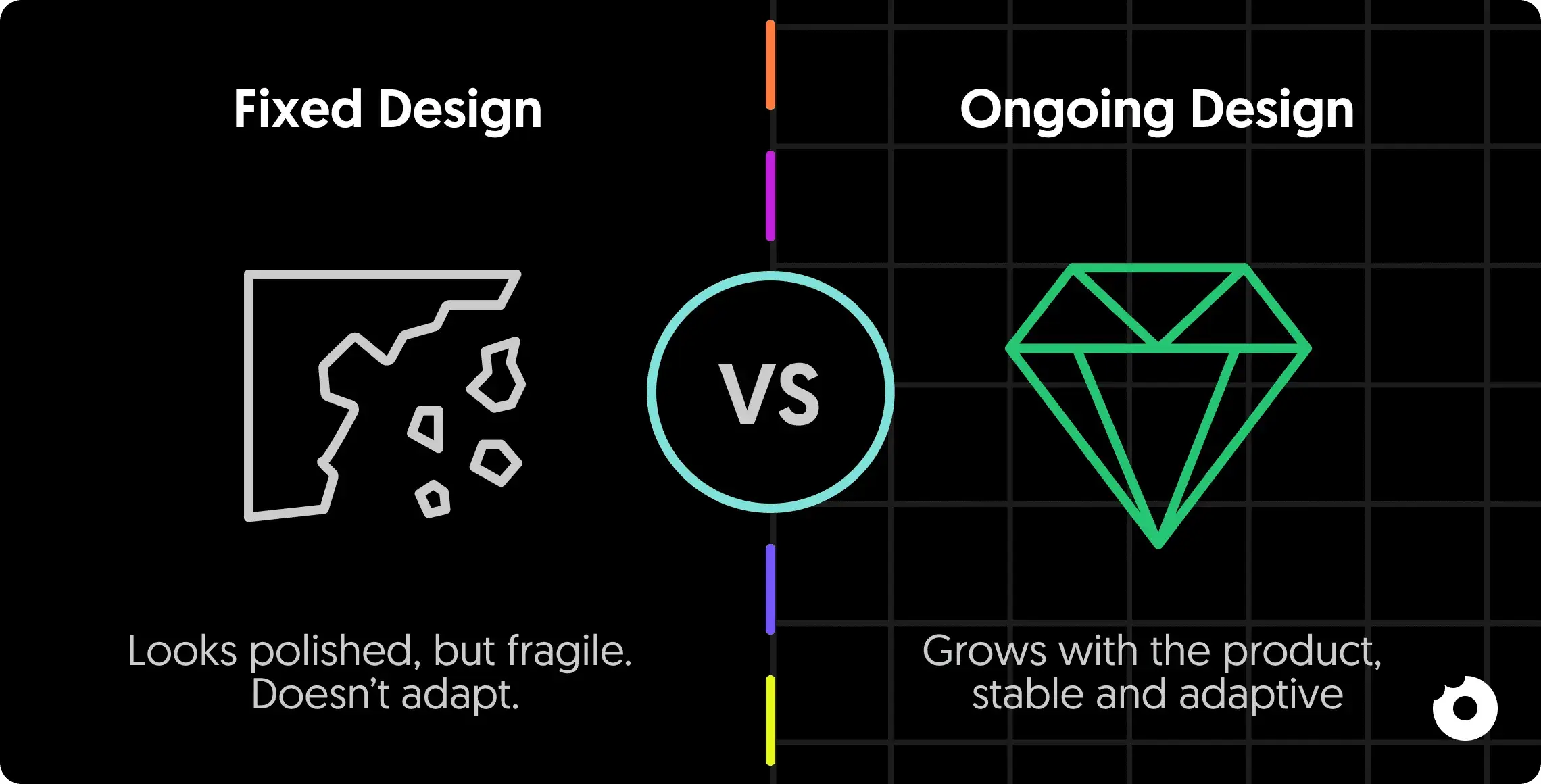
Many SaaS teams start with a redesign, a new UI, or a one-time clean-up of their interface. It feels like progress… until the product grows, new features arrive, user behaviour shifts, and the initial design no longer fits. One-off projects tend to freeze the product in time, giving teams something polished but fragile, because it hasn’t been built to evolve. That’s exactly where product design services take a different direction.

A true service approach creates continuity. Instead of treating design as a single milestone, it becomes an ongoing partnership that adapts to how the B2B SaaS product changes, week after week, release after release. UX product design services help teams understand emerging patterns, identify friction before it becomes a problem, refine journeys as the customer base expands, and maintain coherence even when multiple squads are shipping in parallel.

With continuous collaboration, the product stops “breaking” every time something new is introduced. Decisions stay aligned with the strategy, design debt is kept under control, and both the user experience and the interface grow in a way that feels intentional. The result is a product that remains usable, stable, and scalable as the business matures.
[IMAGE: confronto a colonna tra i due approcci. Il primo rigido, statico e fragile, il secondo iterativo, adattivo e continuo]

H2 — The Core of Digital Product Design Services for SaaS

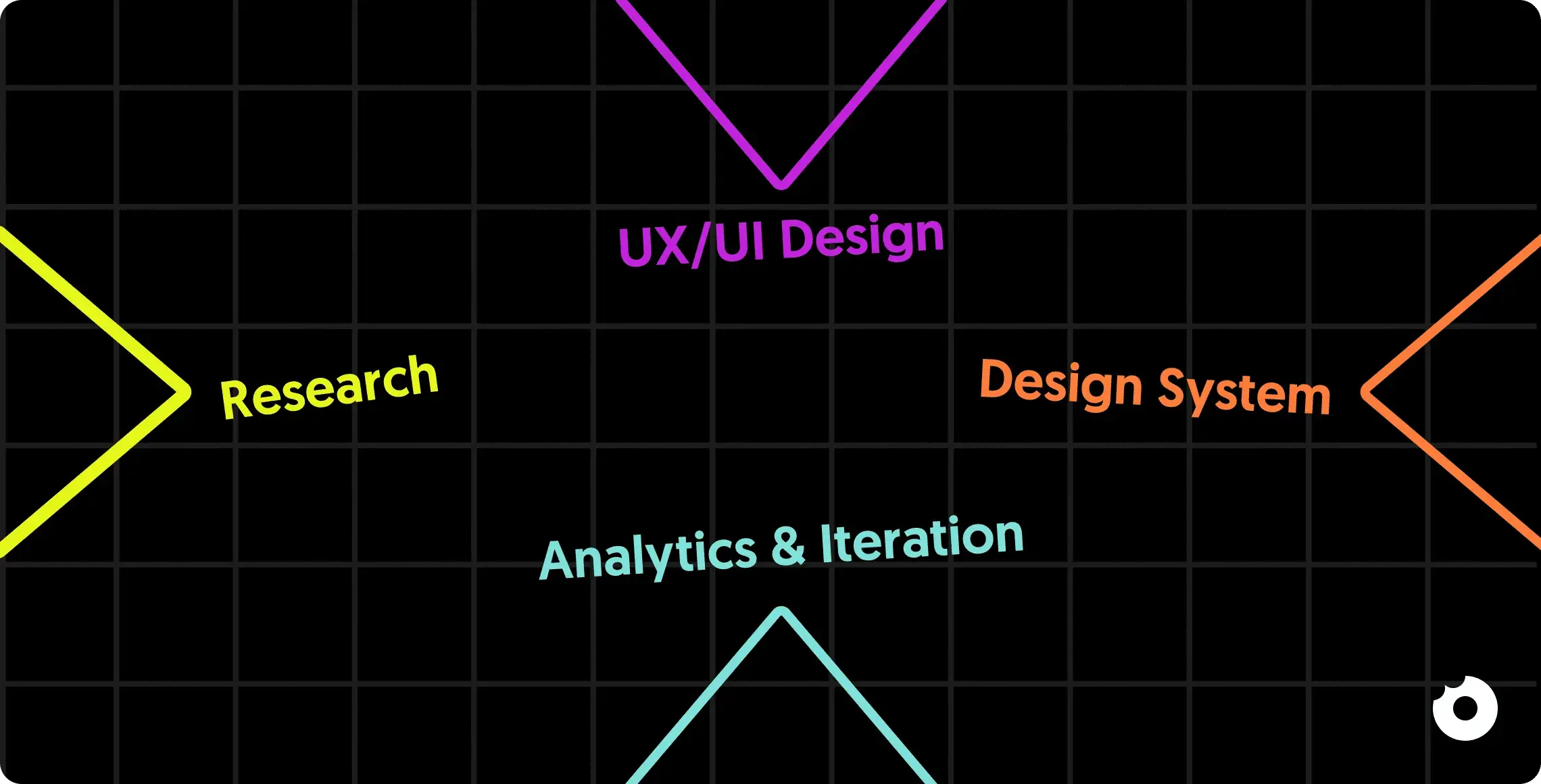
Digital product design services give SaaS companies a structured way to shape products that feel intuitive, reliable, and ready to grow. Rather than focusing on isolated screens or visual refinements, this work looks at the entire product experience and how each decision supports long-term business goals. It blends research, UX and UI design, scalable systems, and continuous learning into a single, coordinated process that evolves with the product.

Discover how Donux’s design services for B2B SaaS turn this approach into a clear, scalable design process that helps teams simplify complexity and build products that grow with their business in this page.

H3 — Research and Validation That Drive Better SaaS Products

Effective SaaS design begins long before pixels or prototypes. Research-led product design services help teams understand how their audience thinks, works, and evaluates value. Through interviews, context exploration, and early-stage validation**, teams uncover the behaviours and pain points that should guide the next iteration of the product**.

When research becomes a continuous practice rather than a one-off activity, teams gain a clearer sense of priorities and reduce the risk of building features that never find traction. This is the foundation that allows UX product design services to create solutions that feel grounded in reality, not assumptions.

H3 — UX/UI Design and Scalable Design Systems

UX and UI come together to turn insight into a product that behaves coherently as it grows. In SaaS, this means creating a rhythm that’s easy for users to follow across the entire platform. Digital product design services help teams shape navigation, interactions, and visual patterns that reinforce that sense of clarity, even as new modules and workflows are added.

A structured design system amplifies this work. Instead of reinventing patterns or styling decisions with every release, teams rely on a shared set of components that stay consistent and evolve together.

This consistency shortens delivery time, supports collaboration with developers, and keeps the product’s identity intact through every iteration. It’s an investment that pays off quickly for B2B SaaS products that release new features frequently or expect to scale to larger user bases.

H3 — Data and Analytics in Product Design and Development Services

Modern digital product design services don’t end with delivery. On the contrary, they monitor how the product performs and use data to guide the next set of decisions. Analytics reveal where users hesitate, where they convert, and where complex flows slow them down. For SaaS teams, this becomes a source of continuous insight: every interaction becomes an opportunity to refine the product.

When data informs design, iteration becomes more precise and less risky. Teams can validate whether a redesigned onboarding flow improves activation, whether a new navigation structure reduces support requests, or whether a refined interface helps existing customers complete tasks faster. Product design and development services turn these insights into actionable changes, creating a cycle where learning fuels better decisions and growth.
[IMAGE: infografica con i 4 pilastri: research, UX/UI design, design system, analytics & iteration]

H2 — Choosing the Right Product Design Service Partner

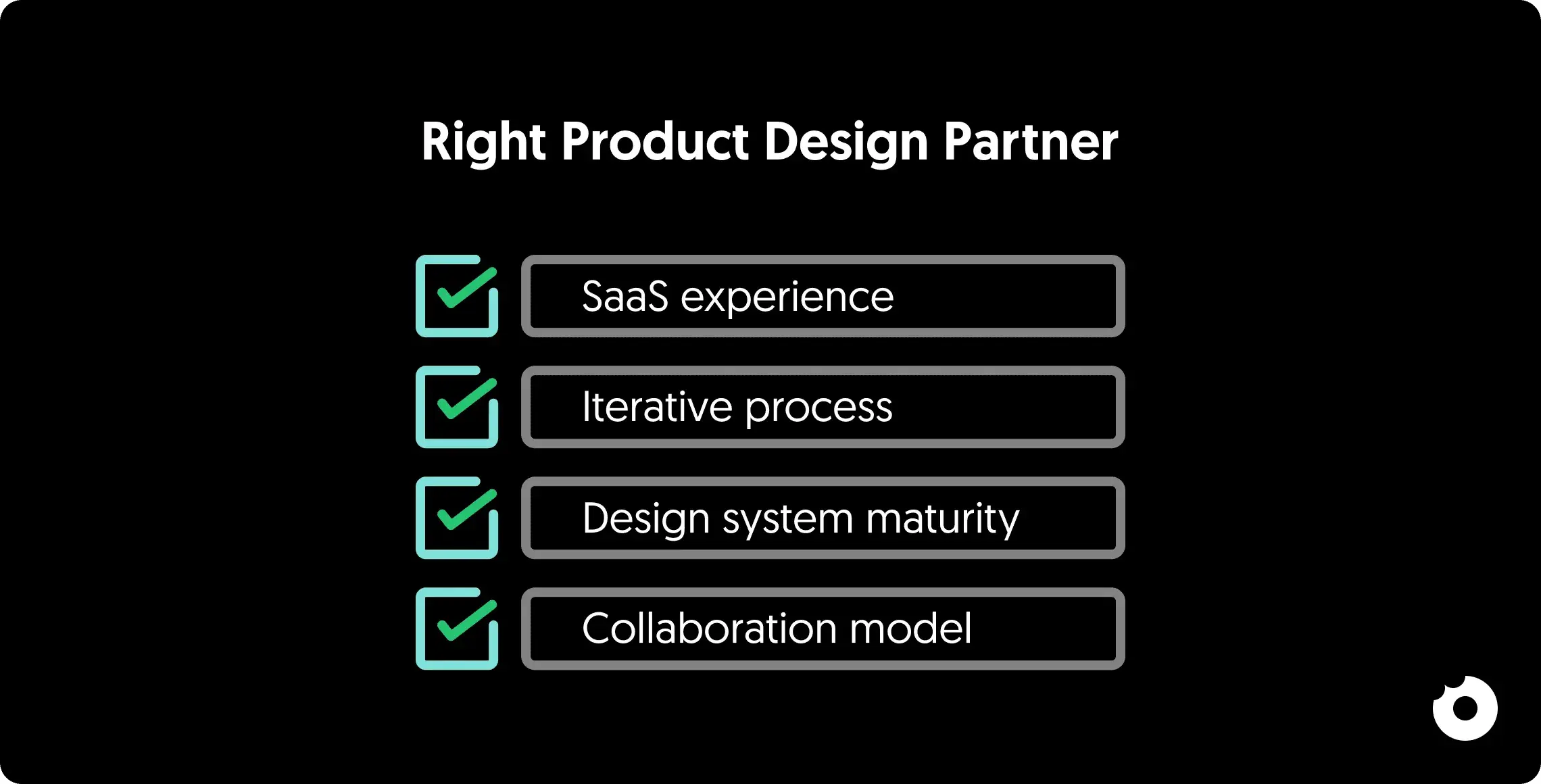
Selecting a partner for product design services shapes how a SaaS company evolves its product over time. Beyond skills in UX or interface design, what truly matters is the partner’s ability to understand the logic of subscription-based products: recurring value delivery, constant iteration, and the steady push toward clearer, smoother user journeys. A capable team integrates with your roadmap, adapts to shifting priorities, and supports you as features grow, mature, or pivot toward new segments.

The strongest product design service providers combine methodology with adaptability. Far from imposing a rigid process, a product design agency helps teams create the right one for their stage, their market, and the realities of their internal workflow. Their impact is visible in how decisions are made, how quickly prototypes turn into validated improvements, and how naturally design becomes part of everyday product development. As collaboration deepens, the relationship feels less like outsourcing and more like gaining strategic bandwidth: extra clarity, extra structure, and extra momentum on the product side.

H3 — Collaboration Models That Empower SaaS Teams

Modern digital product design services usually fall into two broad models.

  • Agencies that operate on fixed projects with defined scopes,

  • Subscription-based or embedded-team models function as an extension of the internal product and engineering teams.

The second approach tends to work particularly well for B2B SaaS companies, because it mirrors the rhythm of their business: continuous delivery, iterative improvements, steady refinement of the user experience.

An embedded design partner can join planning sessions, support upcoming releases, step into research activities, and help maintain consistency as the product expands. Instead of waiting for the next project to begin, the team stays aligned with ongoing priorities, resolving UX issues, preparing design system updates, or validating ideas before they reach development. This creates a smoother workflow, accelerates decision-making, and builds trust through shared ownership of outcomes. It’s a model designed for speed and clarity, especially when the product evolves week after week.

H3 — What to Expect From a Professional B2B Product Design Service Agency

A strong agency offering product design services brings structure, visibility, and steady progress to a SaaS team. You can expect a clear discovery process, well-guided conversations that sharpen problem definition, and design decisions grounded in evidence rather than guesswork. As the collaboration evolves, improvements start to surface across the product: core workflows feel more natural and new features take shape with fewer bottlenecks for both designers and developers.

A professional partner also makes performance easier to measure, helping teams to understand how design shapes real product outcomes. Typically, this means tracking signals such as:

  • Activation: whether new users understand value quickly and move through early steps without hesitation.

  • Engagement: how effectively the interface supports frequent or high-value actions.

  • Retention: whether improved usability and clearer workflows reduce drop-off over time.

  • Operational efficiency: how design decisions streamline development, reduce rework, and speed up releases.

With this level of insight, SaaS leaders gain a better sense of where to invest, which improvements matter most, and how design supports long-term product momentum. The partnership reinforces both strategic clarity and day-to-day execution.
For a real example of how thoughtful product design can reshape a SaaS product, take a look at one of Donux’s recent redesigns here

[IMAGE: checklist con tutti i criteri di selezione di una nuona agenzia di product design “checkati”. Sass Experience, iterative process, research capability, design system maturity, collaboration model]

H2 — Maximizing the Value of Your Product Design Services Engagement

When SaaS teams invest in product design services, the return depends largely on how well the collaboration is set up.

Strong partnerships thrive on clarity, shared context, and a rhythm of continuous learning. The more the design team understands the product’s direction, the competitive landscape, and the internal constraints, the more meaningful the contributions become. Product design and development services work best when they are woven into everyday decision-making, not treated as a separate stream of work.
H3 — Aligning Design Services With Your SaaS Strategy

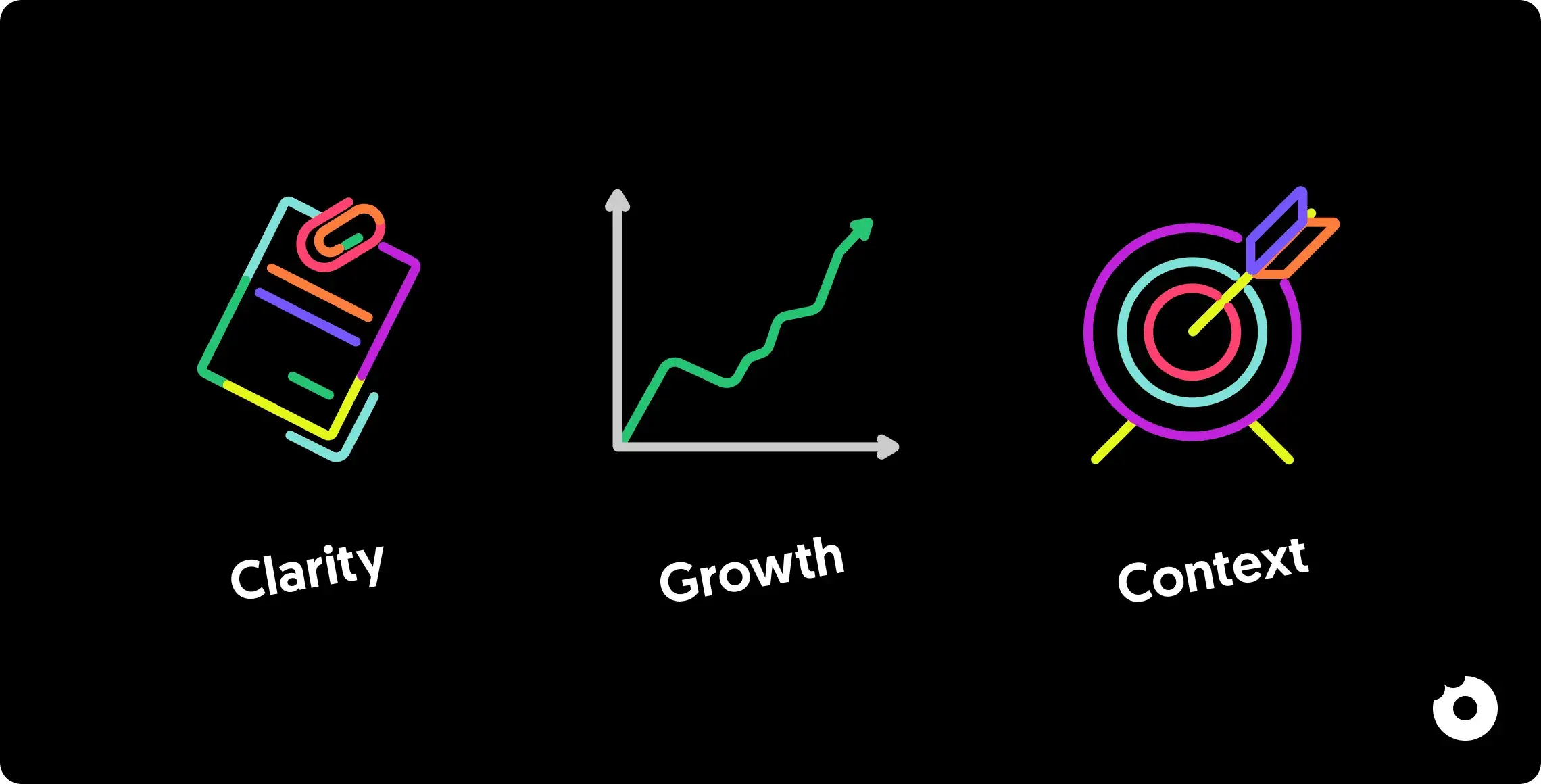
Effective design work starts with strategic alignment. UX product design services deliver the most impact when they’re connected to the company’s broader objectives, whether that means raising activation rates, improving trial-to-paid conversion, expanding into new use cases, or simplifying workflows for enterprise customers. A shared understanding of product vision helps designers frame decisions around the outcomes the business wants to achieve, rather than simply improving isolated screens.

A strong product design service team brings structure to this alignment: they surface assumptions, validate user needs, and highlight opportunities that map directly to revenue drivers or long-term differentiation. This turns design into a lever for growth, not an aesthetic layer. When teams build on a common strategic foundation, progress becomes easier to measure and far more consistent across the entire product.
H3 — Building for Scalability and Long-Term Maintenance

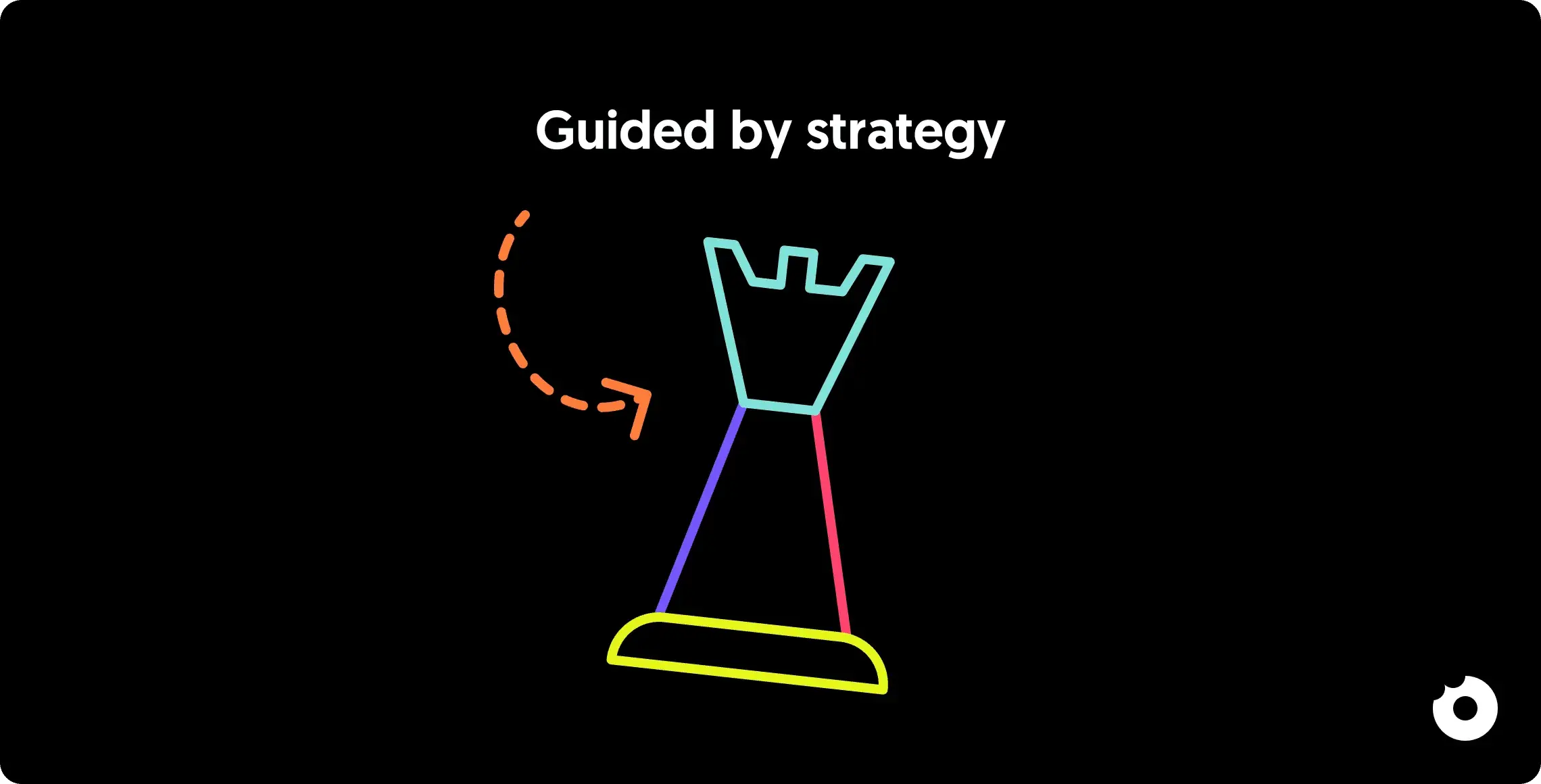
Digital product design services create real value when they anticipate future complexity. As SaaS products grow, features multiply, workflows become more nuanced, and different teams contribute to the interface. Without a scalable foundation, friction accumulates and development slows down.

A forward-looking approach prevents that drift. Scalable design systems, shared component libraries, and clear interface guidelines give teams the ability to build new features quickly while preserving consistency. Structured governance also reduces redesign cycles and avoids the accumulation of design debt, keeping the product easier to maintain over time.

When product design and development services are used to build this kind of infrastructure, teams gain both improved visuals and a stable platform for long-term evolution. Decisions become easier, releases become faster, and the product stays coherent even as its footprint expands.
H2: Why Smart SaaS Teams Invest in Product Design Services

Product design has become an essential driver of SaaS growth. It strengthens activation and retention and provides teams with a clear path for evolving the product with confidence. When research, design systems, and iterative improvement work together, SaaS companies move faster.

This is why more teams are choosing structured, continuous product design services rather than relying on sporadic redesigns. A steady design partnership helps clarify priorities, aligns decisions with business goals, and creates a foundation that scales as the product matures. It’s a long-term investment that reinforces both product quality and strategic focus.

If you’re exploring how to bring this level of discipline into your roadmap, Donux specializes in B2B SaaS design and supports teams with research-driven, scalable product design services.

Let’s chat → https://donux.com/contact-us
Product design services have become essential for B2B SaaS teams that operate in fast-moving, high-pressure environments. As products scale, the real challenge isn’t adding new features, but making sure people can actually use them the way they’re meant to. That’s where a structured design approach makes a difference: it clarifies how users navigate the product, highlights where friction slows them down, and shapes interfaces that feel coherent even as the platform grows.

Done well, digital product design goes far beyond visual decisions. It blends research, systematic thinking, and ongoing iteration to help teams keep their product aligned with customer needs, market expectations, and internal goals.

If you're exploring how design can strengthen your B2B SaaS product, this overview will help you understand what modern product design services really include and why they matter for long-term product quality and growth.

H2: Why Product Design Services Matter for Growing SaaS Companies

As B2B SaaS companies scale, the product becomes the engine that keeps growth moving. Features multiply, customer needs shift, and expectations rise with every release.

In this environment, product design services give teams the structure and clarity needed to guide evolution without losing cohesion. Instead of reacting to issues as they surface, SaaS teams can rely on a design process that anticipates friction and anchors improvements in real user needs.

UX product design services also help translate complex business logic into experiences that feel natural. This is especially true in B2B SaaS, where workflows can be dense and adoption depends on how easily a product fits into someone’s routine. When the experience is shaped with intention, value becomes clear faster, onboarding flows more smoothly, and support teams spend less time handling preventable usability problems.

A major reason these services matter is the consistency they introduce. As new features ship at speed, keeping interfaces aligned becomes harder. A structured design approach establishes shared principles and patterns that keep the product familiar and stable across versions. Users benefit from a predictable environment, and teams avoid the overhead of re-inventing the basics for every new release.

Product design services also unlock speed. When flows are well-defined, concepts validated, and components reusable, decisions come faster and development moves forward with fewer uncertainties. For B2B SaaS companies in competitive markets, this becomes a strategic advantage. It enables teams to respond to feedback quickly and scale the product with intention.

Here’s where product design services create the most impact:

  • Clearer product direction: teams understand not just what to build, but why, reducing confusion and internal misalignment.

  • Smoother onboarding and adoption: thoughtful UX helps users reach value sooner and depend less on support.

  • A more cohesive interface: design systems and shared patterns keep the experience recognizable even as new features roll out.

  • Faster release cycles: validated ideas, structured flows, and reusable components shorten time-to-market.

  • Higher product stability over time: improvements build on a strong foundation instead of creating inconsistencies or design debt.

Together, these advantages help growing B2B SaaS companies scale without losing the clarity, usability, and momentum that make the product competitive in the first place.

H3: Product Design Services vs One-Off Design Projects

Many SaaS teams start with a redesign, a new UI, or a one-time clean-up of their interface. It feels like progress… until the product grows, new features arrive, user behaviour shifts, and the initial design no longer fits. One-off projects tend to freeze the product in time, giving teams something polished but fragile, because it hasn’t been built to evolve. That’s exactly where product design services take a different direction.

A true service approach creates continuity. Instead of treating design as a single milestone, it becomes an ongoing partnership that adapts to how the B2B SaaS product changes, week after week, release after release. UX product design services help teams understand emerging patterns, identify friction before it becomes a problem, refine journeys as the customer base expands, and maintain coherence even when multiple squads are shipping in parallel.

With continuous collaboration, the product stops “breaking” every time something new is introduced. Decisions stay aligned with the strategy, design debt is kept under control, and both the user experience and the interface grow in a way that feels intentional. The result is a product that remains usable, stable, and scalable as the business matures.

[IMAGE: confronto a colonna tra i due approcci. Il primo rigido, statico e fragile, il secondo iterativo, adattivo e continuo]

H2 — The Core of Digital Product Design Services for SaaS

Digital product design services give SaaS companies a structured way to shape products that feel intuitive, reliable, and ready to grow. Rather than focusing on isolated screens or visual refinements, this work looks at the entire product experience and how each decision supports long-term business goals. It blends research, UX and UI design, scalable systems, and continuous learning into a single, coordinated process that evolves with the product.

Discover how Donux’s design services for B2B SaaS turn this approach into a clear, scalable design process that helps teams simplify complexity and build products that grow with their business in this page.

H3 — Research and Validation That Drive Better SaaS Products

Effective SaaS design begins long before pixels or prototypes. Research-led product design services help teams understand how their audience thinks, works, and evaluates value. Through interviews, context exploration, and early-stage validation**, teams uncover the behaviours and pain points that should guide the next iteration of the product**.

When research becomes a continuous practice rather than a one-off activity, teams gain a clearer sense of priorities and reduce the risk of building features that never find traction. This is the foundation that allows UX product design services to create solutions that feel grounded in reality, not assumptions.

H3 — UX/UI Design and Scalable Design Systems

UX and UI come together to turn insight into a product that behaves coherently as it grows. In SaaS, this means creating a rhythm that’s easy for users to follow across the entire platform. Digital product design services help teams shape navigation, interactions, and visual patterns that reinforce that sense of clarity, even as new modules and workflows are added.

A structured design system amplifies this work. Instead of reinventing patterns or styling decisions with every release, teams rely on a shared set of components that stay consistent and evolve together.

This consistency shortens delivery time, supports collaboration with developers, and keeps the product’s identity intact through every iteration. It’s an investment that pays off quickly for B2B SaaS products that release new features frequently or expect to scale to larger user bases.

H3 — Data and Analytics in Product Design and Development Services

Modern digital product design services don’t end with delivery. On the contrary, they monitor how the product performs and use data to guide the next set of decisions. Analytics reveal where users hesitate, where they convert, and where complex flows slow them down. For SaaS teams, this becomes a source of continuous insight: every interaction becomes an opportunity to refine the product.

When data informs design, iteration becomes more precise and less risky. Teams can validate whether a redesigned onboarding flow improves activation, whether a new navigation structure reduces support requests, or whether a refined interface helps existing customers complete tasks faster. Product design and development services turn these insights into actionable changes, creating a cycle where learning fuels better decisions and growth.

[IMAGE: infografica con i 4 pilastri: research, UX/UI design, design system, analytics & iteration]

H2 — Choosing the Right Product Design Service Partner

Selecting a partner for product design services shapes how a SaaS company evolves its product over time. Beyond skills in UX or interface design, what truly matters is the partner’s ability to understand the logic of subscription-based products: recurring value delivery, constant iteration, and the steady push toward clearer, smoother user journeys. A capable team integrates with your roadmap, adapts to shifting priorities, and supports you as features grow, mature, or pivot toward new segments.

The strongest product design service providers combine methodology with adaptability. Far from imposing a rigid process, a product design agency helps teams create the right one for their stage, their market, and the realities of their internal workflow. Their impact is visible in how decisions are made, how quickly prototypes turn into validated improvements, and how naturally design becomes part of everyday product development. As collaboration deepens, the relationship feels less like outsourcing and more like gaining strategic bandwidth: extra clarity, extra structure, and extra momentum on the product side.

H3 — Collaboration Models That Empower SaaS Teams

Modern digital product design services usually fall into two broad models.

  • Agencies that operate on fixed projects with defined scopes,

  • Subscription-based or embedded-team models function as an extension of the internal product and engineering teams.

The second approach tends to work particularly well for B2B SaaS companies, because it mirrors the rhythm of their business: continuous delivery, iterative improvements, steady refinement of the user experience.

An embedded design partner can join planning sessions, support upcoming releases, step into research activities, and help maintain consistency as the product expands. Instead of waiting for the next project to begin, the team stays aligned with ongoing priorities, resolving UX issues, preparing design system updates, or validating ideas before they reach development. This creates a smoother workflow, accelerates decision-making, and builds trust through shared ownership of outcomes. It’s a model designed for speed and clarity, especially when the product evolves week after week.

H3 — What to Expect From a Professional B2B Product Design Service Agency

A strong agency offering product design services brings structure, visibility, and steady progress to a SaaS team. You can expect a clear discovery process, well-guided conversations that sharpen problem definition, and design decisions grounded in evidence rather than guesswork. As the collaboration evolves, improvements start to surface across the product: core workflows feel more natural and new features take shape with fewer bottlenecks for both designers and developers.

A professional partner also makes performance easier to measure, helping teams to understand how design shapes real product outcomes. Typically, this means tracking signals such as:

  • Activation: whether new users understand value quickly and move through early steps without hesitation.

  • Engagement: how effectively the interface supports frequent or high-value actions.

  • Retention: whether improved usability and clearer workflows reduce drop-off over time.

  • Operational efficiency: how design decisions streamline development, reduce rework, and speed up releases.

With this level of insight, SaaS leaders gain a better sense of where to invest, which improvements matter most, and how design supports long-term product momentum. The partnership reinforces both strategic clarity and day-to-day execution.

For a real example of how thoughtful product design can reshape a SaaS product, take a look at one of Donux’s recent redesigns here

[IMAGE: checklist con tutti i criteri di selezione di una nuona agenzia di product design “checkati”. Sass Experience, iterative process, research capability, design system maturity, collaboration model]

H2 — Maximizing the Value of Your Product Design Services Engagement

When SaaS teams invest in product design services, the return depends largely on how well the collaboration is set up.

Strong partnerships thrive on clarity, shared context, and a rhythm of continuous learning. The more the design team understands the product’s direction, the competitive landscape, and the internal constraints, the more meaningful the contributions become. Product design and development services work best when they are woven into everyday decision-making, not treated as a separate stream of work.

H3 — Aligning Design Services With Your SaaS Strategy

Effective design work starts with strategic alignment. UX product design services deliver the most impact when they’re connected to the company’s broader objectives, whether that means raising activation rates, improving trial-to-paid conversion, expanding into new use cases, or simplifying workflows for enterprise customers. A shared understanding of product vision helps designers frame decisions around the outcomes the business wants to achieve, rather than simply improving isolated screens.

A strong product design service team brings structure to this alignment: they surface assumptions, validate user needs, and highlight opportunities that map directly to revenue drivers or long-term differentiation. This turns design into a lever for growth, not an aesthetic layer. When teams build on a common strategic foundation, progress becomes easier to measure and far more consistent across the entire product.

H3 — Building for Scalability and Long-Term Maintenance

Digital product design services create real value when they anticipate future complexity. As SaaS products grow, features multiply, workflows become more nuanced, and different teams contribute to the interface. Without a scalable foundation, friction accumulates and development slows down.

A forward-looking approach prevents that drift. Scalable design systems, shared component libraries, and clear interface guidelines give teams the ability to build new features quickly while preserving consistency. Structured governance also reduces redesign cycles and avoids the accumulation of design debt, keeping the product easier to maintain over time.

When product design and development services are used to build this kind of infrastructure, teams gain both improved visuals and a stable platform for long-term evolution. Decisions become easier, releases become faster, and the product stays coherent even as its footprint expands.

H2: Why Smart SaaS Teams Invest in Product Design Services

Product design has become an essential driver of SaaS growth. It strengthens activation and retention and provides teams with a clear path for evolving the product with confidence. When research, design systems, and iterative improvement work together, SaaS companies move faster.

This is why more teams are choosing structured, continuous product design services rather than relying on sporadic redesigns. A steady design partnership helps clarify priorities, aligns decisions with business goals, and creates a foundation that scales as the product matures. It’s a long-term investment that reinforces both product quality and strategic focus.

If you’re exploring how to bring this level of discipline into your roadmap, Donux specializes in B2B SaaS design and supports teams with research-driven, scalable product design services.

Let’s chat → https://donux.com/contact-us

Product design services have become essential for B2B SaaS teams that operate in fast-moving, high-pressure environments. As products scale, the real challenge isn’t adding new features, but making sure people can actually use them the way they’re meant to. That’s where a structured design approach makes a difference: it clarifies how users navigate the product, highlights where friction slows them down, and shapes interfaces that feel coherent even as the platform grows.

Done well, digital product design goes far beyond visual decisions. It blends research, systematic thinking, and ongoing iteration to help teams keep their product aligned with customer needs, market expectations, and internal goals.

If you're exploring how design can strengthen your B2B SaaS product, this overview will help you understand what modern product design services really include and why they matter for long-term product quality and growth.

H2: Why Product Design Services Matter for Growing SaaS Companies

As B2B SaaS companies scale, the product becomes the engine that keeps growth moving. Features multiply, customer needs shift, and expectations rise with every release.

In this environment, product design services give teams the structure and clarity needed to guide evolution without losing cohesion. Instead of reacting to issues as they surface, SaaS teams can rely on a design process that anticipates friction and anchors improvements in real user needs.

UX product design services also help translate complex business logic into experiences that feel natural. This is especially true in B2B SaaS, where workflows can be dense and adoption depends on how easily a product fits into someone’s routine. When the experience is shaped with intention, value becomes clear faster, onboarding flows more smoothly, and support teams spend less time handling preventable usability problems.

A major reason these services matter is the consistency they introduce. As new features ship at speed, keeping interfaces aligned becomes harder. A structured design approach establishes shared principles and patterns that keep the product familiar and stable across versions. Users benefit from a predictable environment, and teams avoid the overhead of re-inventing the basics for every new release.

Product design services also unlock speed. When flows are well-defined, concepts validated, and components reusable, decisions come faster and development moves forward with fewer uncertainties. For B2B SaaS companies in competitive markets, this becomes a strategic advantage. It enables teams to respond to feedback quickly and scale the product with intention.

Here’s where product design services create the most impact:

  • Clearer product direction: teams understand not just what to build, but why, reducing confusion and internal misalignment.

  • Smoother onboarding and adoption: thoughtful UX helps users reach value sooner and depend less on support.

  • A more cohesive interface: design systems and shared patterns keep the experience recognizable even as new features roll out.

  • Faster release cycles: validated ideas, structured flows, and reusable components shorten time-to-market.

  • Higher product stability over time: improvements build on a strong foundation instead of creating inconsistencies or design debt.

Together, these advantages help growing B2B SaaS companies scale without losing the clarity, usability, and momentum that make the product competitive in the first place.

H3: Product Design Services vs One-Off Design Projects

Many SaaS teams start with a redesign, a new UI, or a one-time clean-up of their interface. It feels like progress… until the product grows, new features arrive, user behaviour shifts, and the initial design no longer fits. One-off projects tend to freeze the product in time, giving teams something polished but fragile, because it hasn’t been built to evolve. That’s exactly where product design services take a different direction.

A true service approach creates continuity. Instead of treating design as a single milestone, it becomes an ongoing partnership that adapts to how the B2B SaaS product changes, week after week, release after release. UX product design services help teams understand emerging patterns, identify friction before it becomes a problem, refine journeys as the customer base expands, and maintain coherence even when multiple squads are shipping in parallel.

With continuous collaboration, the product stops “breaking” every time something new is introduced. Decisions stay aligned with the strategy, design debt is kept under control, and both the user experience and the interface grow in a way that feels intentional. The result is a product that remains usable, stable, and scalable as the business matures.

[IMAGE: confronto a colonna tra i due approcci. Il primo rigido, statico e fragile, il secondo iterativo, adattivo e continuo]

H2 — The Core of Digital Product Design Services for SaaS

Digital product design services give SaaS companies a structured way to shape products that feel intuitive, reliable, and ready to grow. Rather than focusing on isolated screens or visual refinements, this work looks at the entire product experience and how each decision supports long-term business goals. It blends research, UX and UI design, scalable systems, and continuous learning into a single, coordinated process that evolves with the product.

Discover how Donux’s design services for B2B SaaS turn this approach into a clear, scalable design process that helps teams simplify complexity and build products that grow with their business in this page.

H3 — Research and Validation That Drive Better SaaS Products

Effective SaaS design begins long before pixels or prototypes. Research-led product design services help teams understand how their audience thinks, works, and evaluates value. Through interviews, context exploration, and early-stage validation**, teams uncover the behaviours and pain points that should guide the next iteration of the product**.

When research becomes a continuous practice rather than a one-off activity, teams gain a clearer sense of priorities and reduce the risk of building features that never find traction. This is the foundation that allows UX product design services to create solutions that feel grounded in reality, not assumptions.

H3 — UX/UI Design and Scalable Design Systems

UX and UI come together to turn insight into a product that behaves coherently as it grows. In SaaS, this means creating a rhythm that’s easy for users to follow across the entire platform. Digital product design services help teams shape navigation, interactions, and visual patterns that reinforce that sense of clarity, even as new modules and workflows are added.

A structured design system amplifies this work. Instead of reinventing patterns or styling decisions with every release, teams rely on a shared set of components that stay consistent and evolve together.

This consistency shortens delivery time, supports collaboration with developers, and keeps the product’s identity intact through every iteration. It’s an investment that pays off quickly for B2B SaaS products that release new features frequently or expect to scale to larger user bases.

H3 — Data and Analytics in Product Design and Development Services

Modern digital product design services don’t end with delivery. On the contrary, they monitor how the product performs and use data to guide the next set of decisions. Analytics reveal where users hesitate, where they convert, and where complex flows slow them down. For SaaS teams, this becomes a source of continuous insight: every interaction becomes an opportunity to refine the product.

When data informs design, iteration becomes more precise and less risky. Teams can validate whether a redesigned onboarding flow improves activation, whether a new navigation structure reduces support requests, or whether a refined interface helps existing customers complete tasks faster. Product design and development services turn these insights into actionable changes, creating a cycle where learning fuels better decisions and growth.

[IMAGE: infografica con i 4 pilastri: research, UX/UI design, design system, analytics & iteration]

H2 — Choosing the Right Product Design Service Partner

Selecting a partner for product design services shapes how a SaaS company evolves its product over time. Beyond skills in UX or interface design, what truly matters is the partner’s ability to understand the logic of subscription-based products: recurring value delivery, constant iteration, and the steady push toward clearer, smoother user journeys. A capable team integrates with your roadmap, adapts to shifting priorities, and supports you as features grow, mature, or pivot toward new segments.

The strongest product design service providers combine methodology with adaptability. Far from imposing a rigid process, a product design agency helps teams create the right one for their stage, their market, and the realities of their internal workflow. Their impact is visible in how decisions are made, how quickly prototypes turn into validated improvements, and how naturally design becomes part of everyday product development. As collaboration deepens, the relationship feels less like outsourcing and more like gaining strategic bandwidth: extra clarity, extra structure, and extra momentum on the product side.

H3 — Collaboration Models That Empower SaaS Teams

Modern digital product design services usually fall into two broad models.

  • Agencies that operate on fixed projects with defined scopes,

  • Subscription-based or embedded-team models function as an extension of the internal product and engineering teams.

The second approach tends to work particularly well for B2B SaaS companies, because it mirrors the rhythm of their business: continuous delivery, iterative improvements, steady refinement of the user experience.

An embedded design partner can join planning sessions, support upcoming releases, step into research activities, and help maintain consistency as the product expands. Instead of waiting for the next project to begin, the team stays aligned with ongoing priorities, resolving UX issues, preparing design system updates, or validating ideas before they reach development. This creates a smoother workflow, accelerates decision-making, and builds trust through shared ownership of outcomes. It’s a model designed for speed and clarity, especially when the product evolves week after week.

H3 — What to Expect From a Professional B2B Product Design Service Agency

A strong agency offering product design services brings structure, visibility, and steady progress to a SaaS team. You can expect a clear discovery process, well-guided conversations that sharpen problem definition, and design decisions grounded in evidence rather than guesswork. As the collaboration evolves, improvements start to surface across the product: core workflows feel more natural and new features take shape with fewer bottlenecks for both designers and developers.

A professional partner also makes performance easier to measure, helping teams to understand how design shapes real product outcomes. Typically, this means tracking signals such as:

  • Activation: whether new users understand value quickly and move through early steps without hesitation.

  • Engagement: how effectively the interface supports frequent or high-value actions.

  • Retention: whether improved usability and clearer workflows reduce drop-off over time.

  • Operational efficiency: how design decisions streamline development, reduce rework, and speed up releases.

With this level of insight, SaaS leaders gain a better sense of where to invest, which improvements matter most, and how design supports long-term product momentum. The partnership reinforces both strategic clarity and day-to-day execution.

For a real example of how thoughtful product design can reshape a SaaS product, take a look at one of Donux’s recent redesigns here

[IMAGE: checklist con tutti i criteri di selezione di una nuona agenzia di product design “checkati”. Sass Experience, iterative process, research capability, design system maturity, collaboration model]

H2 — Maximizing the Value of Your Product Design Services Engagement

When SaaS teams invest in product design services, the return depends largely on how well the collaboration is set up.

Strong partnerships thrive on clarity, shared context, and a rhythm of continuous learning. The more the design team understands the product’s direction, the competitive landscape, and the internal constraints, the more meaningful the contributions become. Product design and development services work best when they are woven into everyday decision-making, not treated as a separate stream of work.

H3 — Aligning Design Services With Your SaaS Strategy

Effective design work starts with strategic alignment. UX product design services deliver the most impact when they’re connected to the company’s broader objectives, whether that means raising activation rates, improving trial-to-paid conversion, expanding into new use cases, or simplifying workflows for enterprise customers. A shared understanding of product vision helps designers frame decisions around the outcomes the business wants to achieve, rather than simply improving isolated screens.

A strong product design service team brings structure to this alignment: they surface assumptions, validate user needs, and highlight opportunities that map directly to revenue drivers or long-term differentiation. This turns design into a lever for growth, not an aesthetic layer. When teams build on a common strategic foundation, progress becomes easier to measure and far more consistent across the entire product.

H3 — Building for Scalability and Long-Term Maintenance

Digital product design services create real value when they anticipate future complexity. As SaaS products grow, features multiply, workflows become more nuanced, and different teams contribute to the interface. Without a scalable foundation, friction accumulates and development slows down.

A forward-looking approach prevents that drift. Scalable design systems, shared component libraries, and clear interface guidelines give teams the ability to build new features quickly while preserving consistency. Structured governance also reduces redesign cycles and avoids the accumulation of design debt, keeping the product easier to maintain over time.

When product design and development services are used to build this kind of infrastructure, teams gain both improved visuals and a stable platform for long-term evolution. Decisions become easier, releases become faster, and the product stays coherent even as its footprint expands.

H2: Why Smart SaaS Teams Invest in Product Design Services

Product design has become an essential driver of SaaS growth. It strengthens activation and retention and provides teams with a clear path for evolving the product with confidence. When research, design systems, and iterative improvement work together, SaaS companies move faster.

This is why more teams are choosing structured, continuous product design services rather than relying on sporadic redesigns. A steady design partnership helps clarify priorities, aligns decisions with business goals, and creates a foundation that scales as the product matures. It’s a long-term investment that reinforces both product quality and strategic focus.

If you’re exploring how to bring this level of discipline into your roadmap, Donux specializes in B2B SaaS design and supports teams with research-driven, scalable product design services.

Let’s chat → https://donux.com/contact-us

Product design services have become essential for B2B SaaS teams that operate in fast-moving, high-pressure environments. As products scale, the real challenge isn’t adding new features, but making sure people can actually use them the way they’re meant to. That’s where a structured design approach makes a difference: it clarifies how users navigate the product, highlights where friction slows them down, and shapes interfaces that feel coherent even as the platform grows.

Done well, digital product design goes far beyond visual decisions. It blends research, systematic thinking, and ongoing iteration to help teams keep their product aligned with customer needs, market expectations, and internal goals.

If you're exploring how design can strengthen your B2B SaaS product, this overview will help you understand what modern product design services really include and why they matter for long-term product quality and growth.

H2: Why Product Design Services Matter for Growing SaaS Companies

As B2B SaaS companies scale, the product becomes the engine that keeps growth moving. Features multiply, customer needs shift, and expectations rise with every release.

In this environment, product design services give teams the structure and clarity needed to guide evolution without losing cohesion. Instead of reacting to issues as they surface, SaaS teams can rely on a design process that anticipates friction and anchors improvements in real user needs.

UX product design services also help translate complex business logic into experiences that feel natural. This is especially true in B2B SaaS, where workflows can be dense and adoption depends on how easily a product fits into someone’s routine. When the experience is shaped with intention, value becomes clear faster, onboarding flows more smoothly, and support teams spend less time handling preventable usability problems.

A major reason these services matter is the consistency they introduce. As new features ship at speed, keeping interfaces aligned becomes harder. A structured design approach establishes shared principles and patterns that keep the product familiar and stable across versions. Users benefit from a predictable environment, and teams avoid the overhead of re-inventing the basics for every new release.

Product design services also unlock speed. When flows are well-defined, concepts validated, and components reusable, decisions come faster and development moves forward with fewer uncertainties. For B2B SaaS companies in competitive markets, this becomes a strategic advantage. It enables teams to respond to feedback quickly and scale the product with intention.

Here’s where product design services create the most impact:

  • Clearer product direction: teams understand not just what to build, but why, reducing confusion and internal misalignment.

  • Smoother onboarding and adoption: thoughtful UX helps users reach value sooner and depend less on support.

  • A more cohesive interface: design systems and shared patterns keep the experience recognizable even as new features roll out.

  • Faster release cycles: validated ideas, structured flows, and reusable components shorten time-to-market.

  • Higher product stability over time: improvements build on a strong foundation instead of creating inconsistencies or design debt.

Together, these advantages help growing B2B SaaS companies scale without losing the clarity, usability, and momentum that make the product competitive in the first place.

H3: Product Design Services vs One-Off Design Projects

Many SaaS teams start with a redesign, a new UI, or a one-time clean-up of their interface. It feels like progress… until the product grows, new features arrive, user behaviour shifts, and the initial design no longer fits. One-off projects tend to freeze the product in time, giving teams something polished but fragile, because it hasn’t been built to evolve. That’s exactly where product design services take a different direction.

A true service approach creates continuity. Instead of treating design as a single milestone, it becomes an ongoing partnership that adapts to how the B2B SaaS product changes, week after week, release after release. UX product design services help teams understand emerging patterns, identify friction before it becomes a problem, refine journeys as the customer base expands, and maintain coherence even when multiple squads are shipping in parallel.

With continuous collaboration, the product stops “breaking” every time something new is introduced. Decisions stay aligned with the strategy, design debt is kept under control, and both the user experience and the interface grow in a way that feels intentional. The result is a product that remains usable, stable, and scalable as the business matures.

[IMAGE: confronto a colonna tra i due approcci. Il primo rigido, statico e fragile, il secondo iterativo, adattivo e continuo]

H2 — The Core of Digital Product Design Services for SaaS

Digital product design services give SaaS companies a structured way to shape products that feel intuitive, reliable, and ready to grow. Rather than focusing on isolated screens or visual refinements, this work looks at the entire product experience and how each decision supports long-term business goals. It blends research, UX and UI design, scalable systems, and continuous learning into a single, coordinated process that evolves with the product.

Discover how Donux’s design services for B2B SaaS turn this approach into a clear, scalable design process that helps teams simplify complexity and build products that grow with their business in this page.

H3 — Research and Validation That Drive Better SaaS Products

Effective SaaS design begins long before pixels or prototypes. Research-led product design services help teams understand how their audience thinks, works, and evaluates value. Through interviews, context exploration, and early-stage validation**, teams uncover the behaviours and pain points that should guide the next iteration of the product**.

When research becomes a continuous practice rather than a one-off activity, teams gain a clearer sense of priorities and reduce the risk of building features that never find traction. This is the foundation that allows UX product design services to create solutions that feel grounded in reality, not assumptions.

H3 — UX/UI Design and Scalable Design Systems

UX and UI come together to turn insight into a product that behaves coherently as it grows. In SaaS, this means creating a rhythm that’s easy for users to follow across the entire platform. Digital product design services help teams shape navigation, interactions, and visual patterns that reinforce that sense of clarity, even as new modules and workflows are added.

A structured design system amplifies this work. Instead of reinventing patterns or styling decisions with every release, teams rely on a shared set of components that stay consistent and evolve together.

This consistency shortens delivery time, supports collaboration with developers, and keeps the product’s identity intact through every iteration. It’s an investment that pays off quickly for B2B SaaS products that release new features frequently or expect to scale to larger user bases.

H3 — Data and Analytics in Product Design and Development Services

Modern digital product design services don’t end with delivery. On the contrary, they monitor how the product performs and use data to guide the next set of decisions. Analytics reveal where users hesitate, where they convert, and where complex flows slow them down. For SaaS teams, this becomes a source of continuous insight: every interaction becomes an opportunity to refine the product.

When data informs design, iteration becomes more precise and less risky. Teams can validate whether a redesigned onboarding flow improves activation, whether a new navigation structure reduces support requests, or whether a refined interface helps existing customers complete tasks faster. Product design and development services turn these insights into actionable changes, creating a cycle where learning fuels better decisions and growth.

[IMAGE: infografica con i 4 pilastri: research, UX/UI design, design system, analytics & iteration]

H2 — Choosing the Right Product Design Service Partner

Selecting a partner for product design services shapes how a SaaS company evolves its product over time. Beyond skills in UX or interface design, what truly matters is the partner’s ability to understand the logic of subscription-based products: recurring value delivery, constant iteration, and the steady push toward clearer, smoother user journeys. A capable team integrates with your roadmap, adapts to shifting priorities, and supports you as features grow, mature, or pivot toward new segments.

The strongest product design service providers combine methodology with adaptability. Far from imposing a rigid process, a product design agency helps teams create the right one for their stage, their market, and the realities of their internal workflow. Their impact is visible in how decisions are made, how quickly prototypes turn into validated improvements, and how naturally design becomes part of everyday product development. As collaboration deepens, the relationship feels less like outsourcing and more like gaining strategic bandwidth: extra clarity, extra structure, and extra momentum on the product side.

H3 — Collaboration Models That Empower SaaS Teams

Modern digital product design services usually fall into two broad models.

  • Agencies that operate on fixed projects with defined scopes,

  • Subscription-based or embedded-team models function as an extension of the internal product and engineering teams.

The second approach tends to work particularly well for B2B SaaS companies, because it mirrors the rhythm of their business: continuous delivery, iterative improvements, steady refinement of the user experience.

An embedded design partner can join planning sessions, support upcoming releases, step into research activities, and help maintain consistency as the product expands. Instead of waiting for the next project to begin, the team stays aligned with ongoing priorities, resolving UX issues, preparing design system updates, or validating ideas before they reach development. This creates a smoother workflow, accelerates decision-making, and builds trust through shared ownership of outcomes. It’s a model designed for speed and clarity, especially when the product evolves week after week.

H3 — What to Expect From a Professional B2B Product Design Service Agency

A strong agency offering product design services brings structure, visibility, and steady progress to a SaaS team. You can expect a clear discovery process, well-guided conversations that sharpen problem definition, and design decisions grounded in evidence rather than guesswork. As the collaboration evolves, improvements start to surface across the product: core workflows feel more natural and new features take shape with fewer bottlenecks for both designers and developers.

A professional partner also makes performance easier to measure, helping teams to understand how design shapes real product outcomes. Typically, this means tracking signals such as:

  • Activation: whether new users understand value quickly and move through early steps without hesitation.

  • Engagement: how effectively the interface supports frequent or high-value actions.

  • Retention: whether improved usability and clearer workflows reduce drop-off over time.

  • Operational efficiency: how design decisions streamline development, reduce rework, and speed up releases.

With this level of insight, SaaS leaders gain a better sense of where to invest, which improvements matter most, and how design supports long-term product momentum. The partnership reinforces both strategic clarity and day-to-day execution.

For a real example of how thoughtful product design can reshape a SaaS product, take a look at one of Donux’s recent redesigns here

[IMAGE: checklist con tutti i criteri di selezione di una nuona agenzia di product design “checkati”. Sass Experience, iterative process, research capability, design system maturity, collaboration model]

H2 — Maximizing the Value of Your Product Design Services Engagement

When SaaS teams invest in product design services, the return depends largely on how well the collaboration is set up.

Strong partnerships thrive on clarity, shared context, and a rhythm of continuous learning. The more the design team understands the product’s direction, the competitive landscape, and the internal constraints, the more meaningful the contributions become. Product design and development services work best when they are woven into everyday decision-making, not treated as a separate stream of work.

H3 — Aligning Design Services With Your SaaS Strategy

Effective design work starts with strategic alignment. UX product design services deliver the most impact when they’re connected to the company’s broader objectives, whether that means raising activation rates, improving trial-to-paid conversion, expanding into new use cases, or simplifying workflows for enterprise customers. A shared understanding of product vision helps designers frame decisions around the outcomes the business wants to achieve, rather than simply improving isolated screens.

A strong product design service team brings structure to this alignment: they surface assumptions, validate user needs, and highlight opportunities that map directly to revenue drivers or long-term differentiation. This turns design into a lever for growth, not an aesthetic layer. When teams build on a common strategic foundation, progress becomes easier to measure and far more consistent across the entire product.

H3 — Building for Scalability and Long-Term Maintenance

Digital product design services create real value when they anticipate future complexity. As SaaS products grow, features multiply, workflows become more nuanced, and different teams contribute to the interface. Without a scalable foundation, friction accumulates and development slows down.

A forward-looking approach prevents that drift. Scalable design systems, shared component libraries, and clear interface guidelines give teams the ability to build new features quickly while preserving consistency. Structured governance also reduces redesign cycles and avoids the accumulation of design debt, keeping the product easier to maintain over time.

When product design and development services are used to build this kind of infrastructure, teams gain both improved visuals and a stable platform for long-term evolution. Decisions become easier, releases become faster, and the product stays coherent even as its footprint expands.

H2: Why Smart SaaS Teams Invest in Product Design Services

Product design has become an essential driver of SaaS growth. It strengthens activation and retention and provides teams with a clear path for evolving the product with confidence. When research, design systems, and iterative improvement work together, SaaS companies move faster.

This is why more teams are choosing structured, continuous product design services rather than relying on sporadic redesigns. A steady design partnership helps clarify priorities, aligns decisions with business goals, and creates a foundation that scales as the product matures. It’s a long-term investment that reinforces both product quality and strategic focus.

If you’re exploring how to bring this level of discipline into your roadmap, Donux specializes in B2B SaaS design and supports teams with research-driven, scalable product design services.

Let’s chat → https://donux.com/contact-us

Subscribe to our product design newsletter

We'll be sending two emails every month with product and design tips for B2B SaaS

By submitting this form, I accept the privacy policy

By submitting this form, I accept the privacy policy

By submitting this form, I accept the privacy policy

We’ll help you build the
right product

The first step is a quick chat 👋

Donux srl © 2024 Via Carlo Farini 5, 20154 Milano P.IVA IT11315200961

Part of

We’ll help you build the
right product

The first step is a quick chat 👋

Donux srl © 2024 Via Carlo Farini 5, 20154 Milano P.IVA IT11315200961

Part of

We’ll help you build the
right product

The first step is a quick chat 👋

Donux srl © 2024 Via Carlo Farini 5, 20154 Milano P.IVA IT11315200961

Part of