AI Explainability
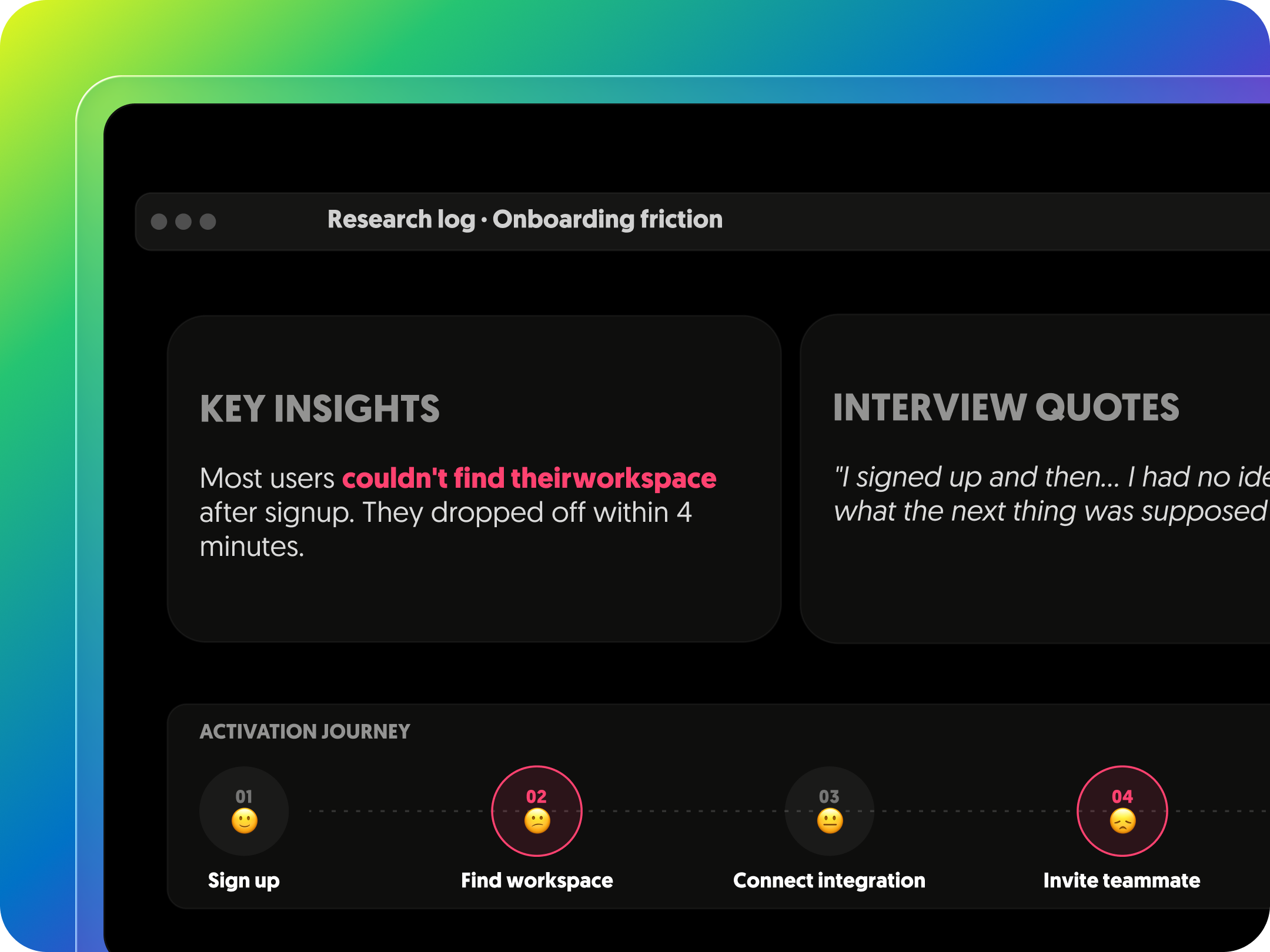
Users don't see what the model did, why, or how confident it is.
- Clear model outputs
- Confidence indicators
- Decision explanations
 Build with us
 Design an AI Product people love to use
Make complex AI capabilities understandable. Clear onboarding, useful interactions and a product your customers can trust.
Build with us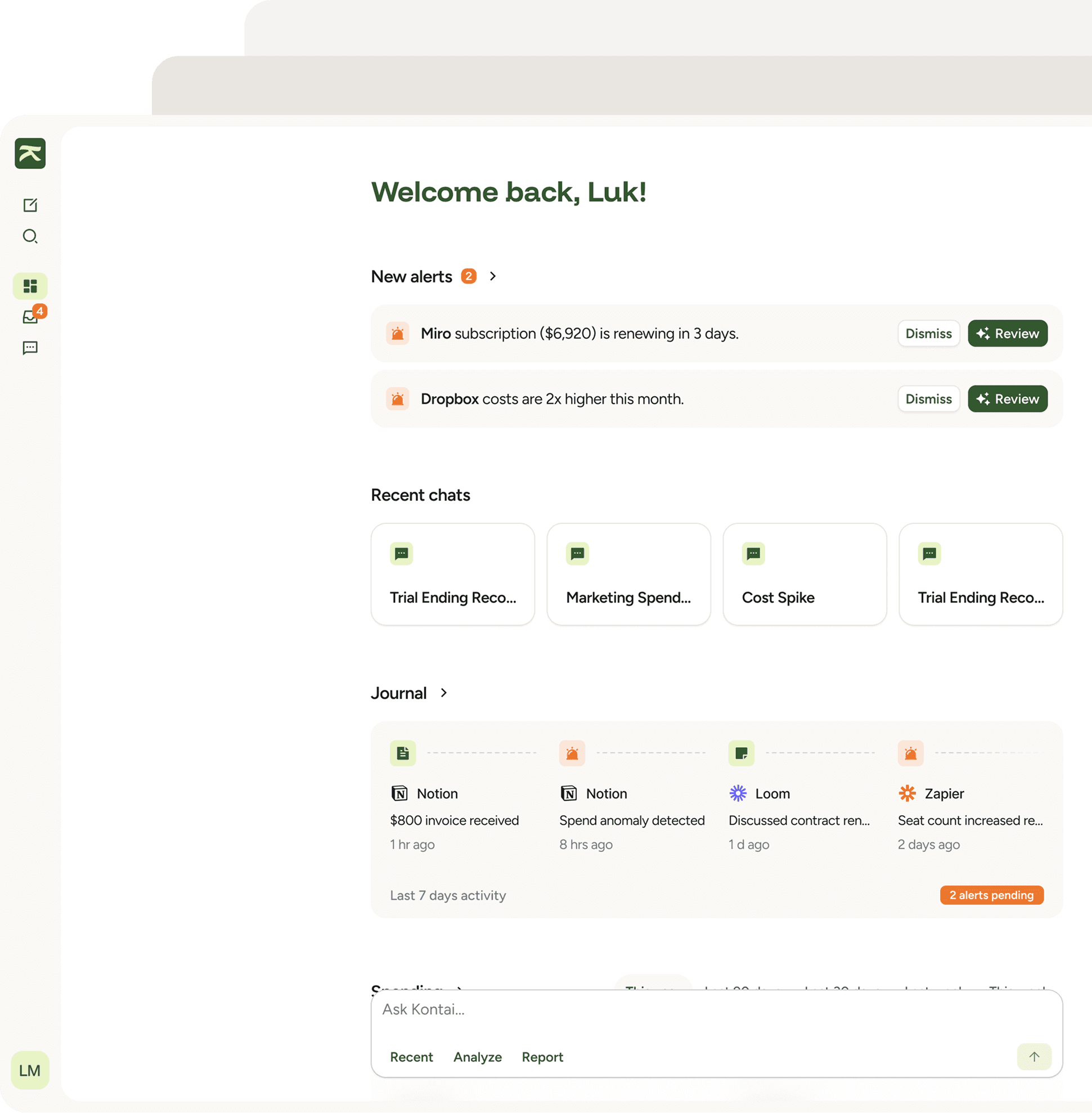
Users don't see what the model did, why, or how confident it is.
Users over-trust or distrust AI outputs. Bad decisions follow, or they drop the feature.
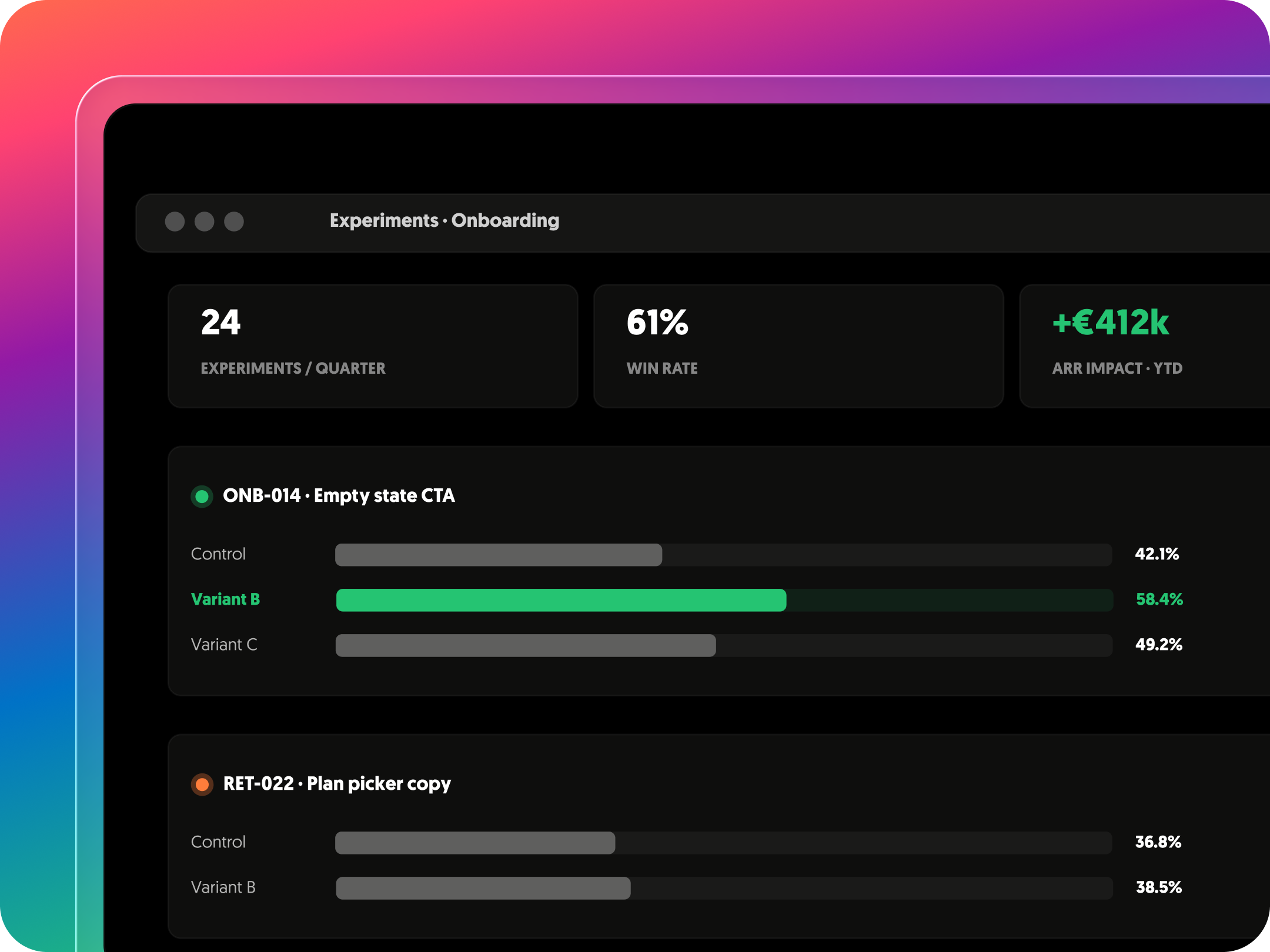
ML pipelines need interfaces non-technical users can navigate.
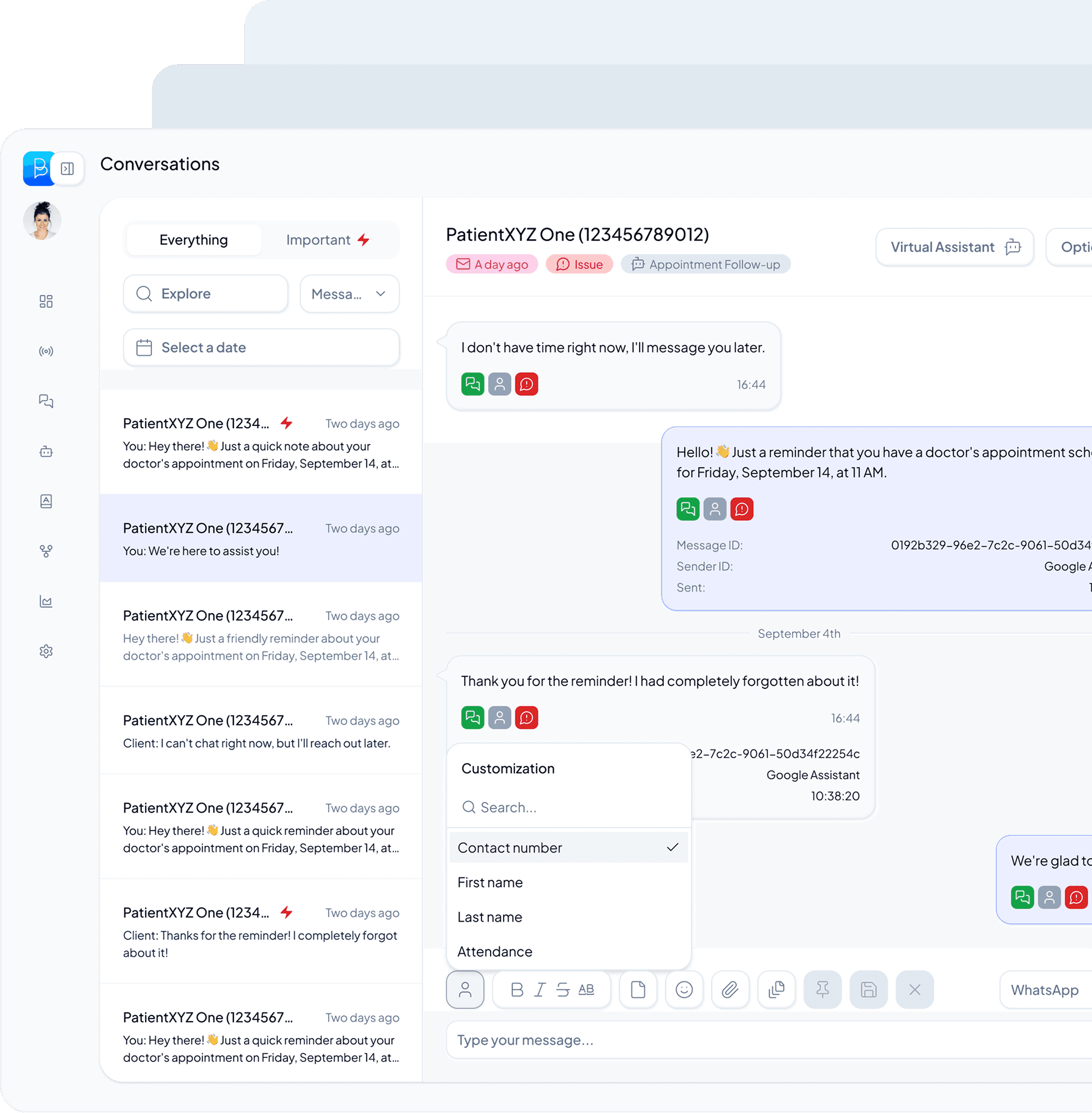
Interfaces that make predictions, recommendations, and generated content interpretable at a glance.
Prompt builders and configuration panels users can navigate without guesswork.
Monitoring dashboards for model performance, training status, and data quality.
Review, correction, and feedback workflows for guiding model outputs.
They never miss a touch base and timeline expectation.

Kontai, a Startup Bakery venture, helps companies manage and optimize their SaaS subscriptions and spending through a smart spend journal
Featured Case Study
Kontai, a Startup Bakery venture, helps companies manage and optimize their SaaS subscriptions and spending through a smart spend journal
We start by mapping what the model decides and what users need to trust those decisions. Then we design layered explanations. A quick summary for most users, with drill-down for power users. The goal is appropriate understanding for the user's task.
AI products bring unique challenges. Non-deterministic outputs, confidence users must calibrate, evolving model behavior, and human oversight. We design for uncertainty, trust, and the feedback loops that make AI products improve over time.
Yes. Many AI products serve both data scientists who configure models and business users who consume outputs. We design tailored interfaces for each persona while keeping the product cohesive.
Trust calibration is about giving users the right level of confidence. We use confidence scores, explanations, comparison views, and human override mechanisms. The goal is informed decision-making.
A first conversation defines the relevant scope, dependencies and investment. For an existing product transformation, we confirm what fits the 90-day delivery window before kickoff. A focused supporting engagement is scoped separately.
We need to know what the model does, the inputs it takes, and the outputs it produces. We interview your data science team early, then translate capabilities into user-facing experiences.
Selected product design projects. Explore the challenge, the decisions and the results behind each one.